
What Is a Digital Twin and How Is It Transforming Industries?
Digital twins are changing the way organizations interact with the physical world.
From construction sites and utility networks to industrial facilities and historical landmarks, digital twins provide a powerful way to visualize, analyze, and manage real-world assets in a digital environment. As organizations seek more accurate data, better decision-making tools, and greater operational efficiency, digital twins are becoming an essential part of digital transformation strategies.
But what exactly is a digital twin, and why are so many industries investing in them?
What Is a Digital Twin?
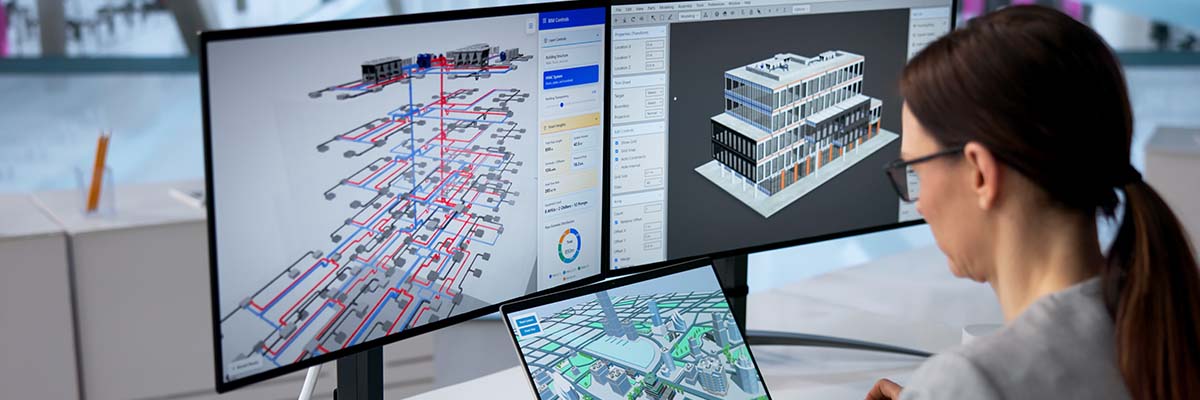
A digital twin is a virtual representation of a physical asset, environment, or system that is created using real-world data. Unlike a traditional map, model, or photograph, a digital twin combines multiple forms of reality data capture—including LiDAR, drone imagery, photogrammetry, and 360° imagery—to create an accurate, measurable, and interactive digital environment.
Think of a digital twin as a bridge between the physical and digital worlds. Users can explore a site remotely, take measurements, inspect assets, analyze conditions, and make informed decisions without being physically present.
As technology continues to evolve, digital twins are becoming more than static representations. Many organizations are integrating them with real-time data, analytics platforms, and artificial intelligence to create living digital environments that support ongoing operations and planning.
How Digital Twins Are Created
Every digital twin starts with reality data capture.
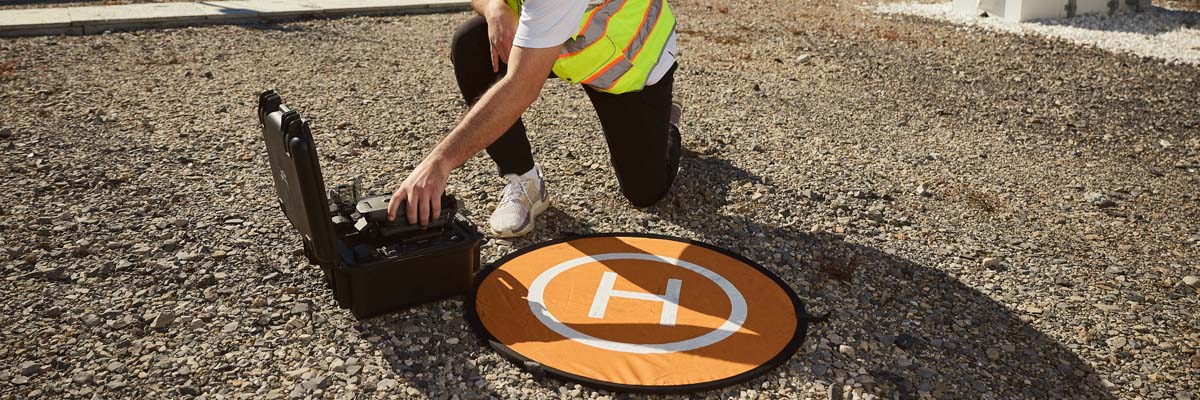
Using drones, LiDAR scanners, mobile mapping systems, and other advanced technologies, millions of data points are collected from a physical environment. These datasets are then processed and combined to create a highly accurate digital replica.
Common data sources include:
- Drone imagery
- LiDAR scanning
- Photogrammetry
- 360° imagery
- GPS and geospatial data
- Mobile mapping systems
The result is a digital environment that can be viewed, measured, analyzed, and shared across teams and stakeholders.
The accuracy of a digital twin depends on the quality of the data collected. High-quality reality capture ensures organizations have a reliable digital asset they can trust for years to come.

Why Digital Twins Matter
Organizations across industries face similar challenges:
- Managing large and complex assets
- Reducing operational costs
- Improving collaboration
- Documenting conditions over time
- Making faster, more informed decisions
Digital twins address these challenges by providing a single source of truth that accurately reflects real-world conditions.
Some of the key benefits include:
Improved Remote Access
Stakeholders can explore sites, facilities, and infrastructure from anywhere in the world.
Better Decision-Making
Accurate measurements and visual documentation provide confidence when planning projects, evaluating conditions, or assessing risks.
Reduced Site Visits
Teams can access information remotely, reducing travel time, costs, and safety concerns.
Enhanced Collaboration
Engineers, contractors, facility managers, and executives can all work from the same dataset.
Long-Term Documentation
Digital twins create a permanent record of assets and environments that can be referenced for future planning, maintenance, or historical preservation.

Digital Twins in Construction and Engineering
Construction and engineering firms are among the largest adopters of digital twin technology.
By creating digital twins before, during, and after construction, teams gain greater visibility into project conditions and progress.
Common applications include:
- Existing conditions documentation
- Site planning and design
- Progress monitoring
- As-built documentation
- Building Information Modeling (BIM) integration
- Quality assurance and verification
Digital twins help reduce costly errors by ensuring stakeholders have access to accurate, up-to-date site information throughout the project lifecycle.

Digital Twins in Utilities and Telecommunications
Utility providers and telecommunications companies manage vast networks of assets spread across large geographic areas. Digital twins allow these organizations to document and monitor infrastructure more efficiently while improving planning and maintenance processes.
Applications include:
- Fiber network planning
- Utility corridor management
- Asset inventory documentation
- Infrastructure inspections
- Maintenance planning
- Expansion and upgrade projects
Having a digital representation of critical infrastructure enables organizations to make informed decisions while minimizing operational disruptions.
Digital Twins in Energy and Industrial Operations
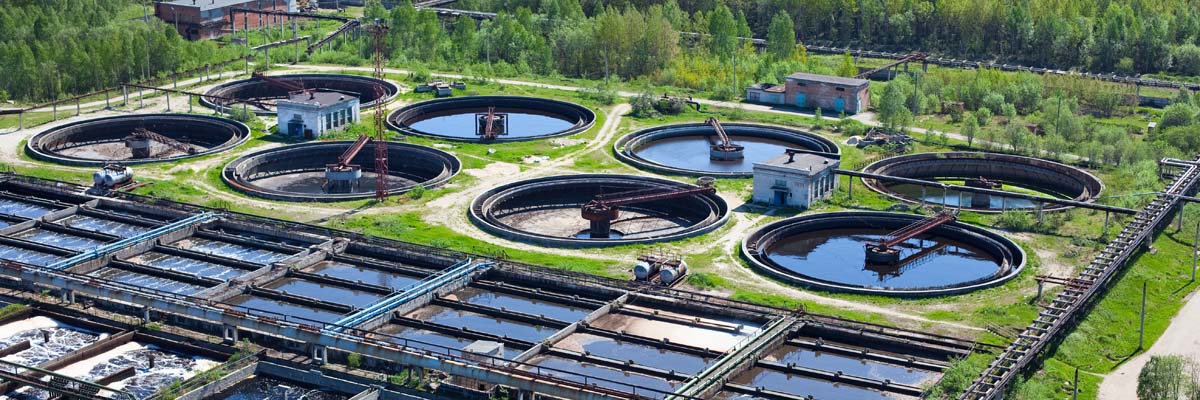
Industrial facilities generate enormous amounts of operational and asset data. Digital twins provide facility managers and operators with a centralized view of equipment, infrastructure, and site conditions.
Common use cases include:
- Asset management
- Predictive maintenance planning
- Facility documentation
- Safety assessments
- Equipment inspections
- Operational optimization
By creating accurate digital records of facilities, organizations can improve efficiency, reduce downtime, and support long-term asset management strategies.
Digital Twins in Real Estate and Facilities Management
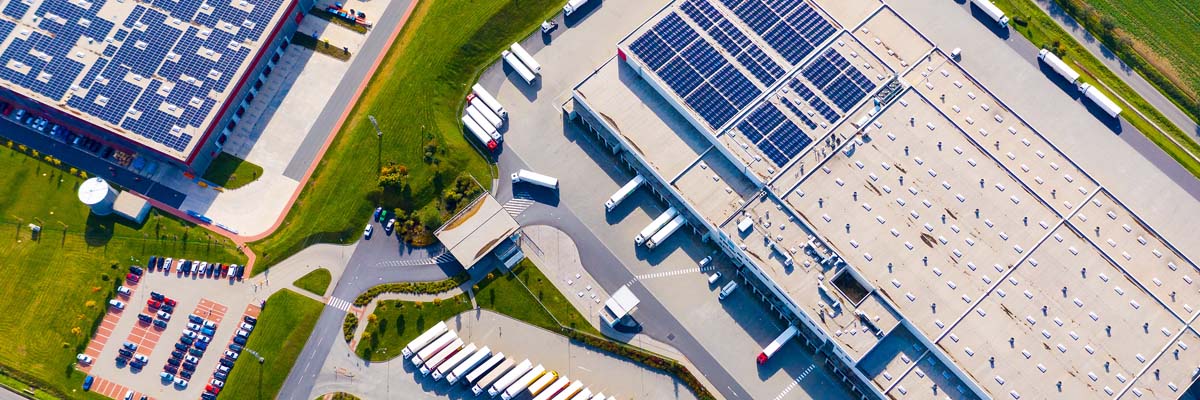
Property owners and facility managers are increasingly using digital twins to better understand and manage their buildings. Digital twins provide valuable insights into building conditions, layouts, and operations while supporting future planning initiatives.
Applications include:
- Virtual property tours
- Space utilization planning
- Renovation planning
- Facility maintenance
- Lease management
- Building documentation
Rather than relying on outdated floor plans or manual inspections, facility managers can access an accurate digital representation of their properties whenever needed.
Digital Twins in Transportation and Infrastructure
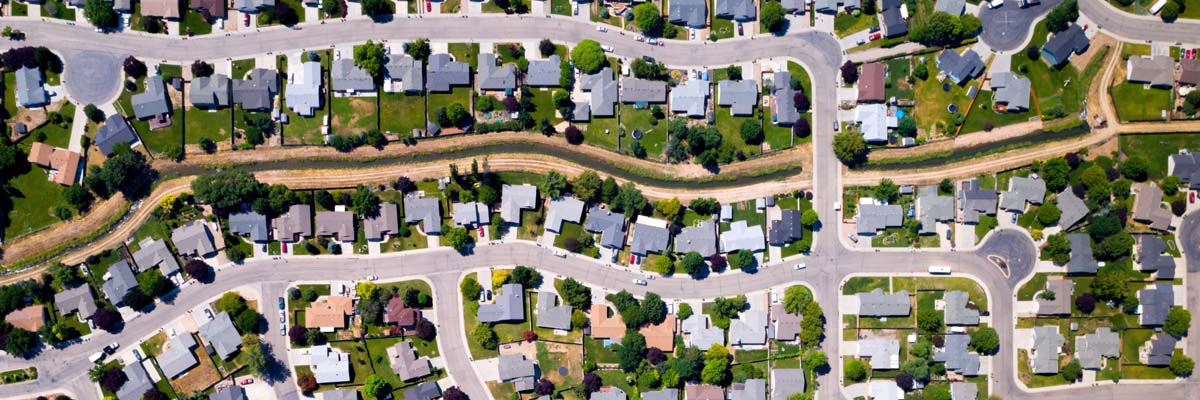
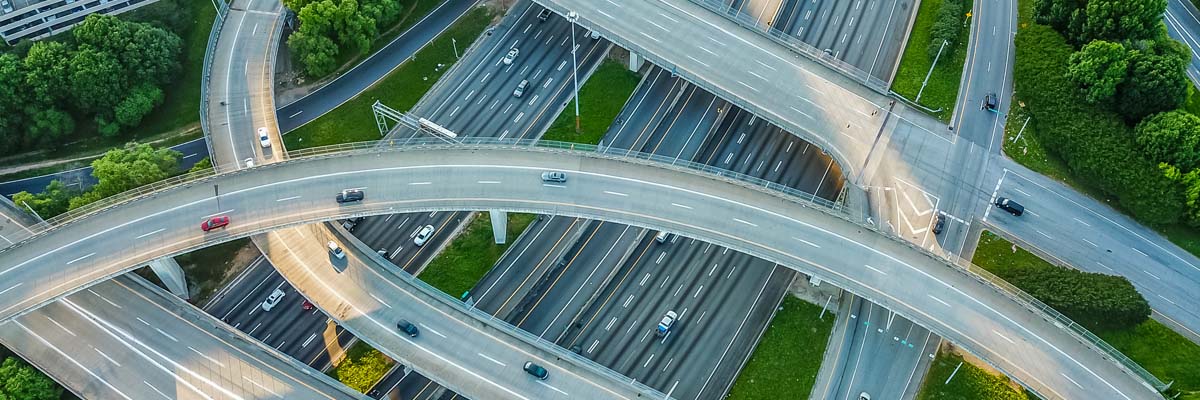
Roads, bridges, airports, rail systems, and public infrastructure require ongoing monitoring and maintenance. Digital twins provide transportation agencies and infrastructure owners with detailed visibility into asset conditions.
Common applications include:
- Bridge inspections
- Roadway documentation
- Airport asset management
- Infrastructure planning
- Disaster recovery planning
- Condition assessments
These digital environments improve planning efforts while helping agencies allocate resources more effectively.
Digital Twins for Historical Preservation and Cultural Heritage
While digital twins are often associated with infrastructure and industry, they are also becoming valuable tools for preserving culturally significant locations.
By creating highly detailed digital records of historical sites, organizations can preserve important landmarks for future generations while making them accessible to broader audiences.
A recent example is FlyGuys’ collaboration with LFT Fiber and Vermilionville through Project LFT HOPE (Honor, Observe, Preserve, Educate).
The project utilized advanced reality data capture technologies, including mobile LiDAR scanning and immersive imagery, to create a digital twin of Vermilionville, one of Acadiana’s most treasured cultural landmarks. The digital twin serves as both a preservation tool and an educational resource, allowing visitors to explore the site virtually while documenting its current condition for future generations.
The project demonstrated how digital twin technology can preserve not only physical structures but also the stories, culture, and history connected to them. Read more about this project in our case study.

The Future of Digital Twins
As reality data capture technologies continue to advance, digital twins are becoming more intelligent, accessible, and valuable.
Future digital twins will increasingly integrate:
- Artificial intelligence
- Real-time sensor data
- Predictive analytics
- Internet of Things (IoT) devices
- Automated monitoring systems
These capabilities will transform digital twins from documentation tools into dynamic decision-support platforms that help organizations predict issues, optimize performance, and improve operational outcomes.

Reality Data Capture: The Foundation of Every Digital Twin
No matter the industry, every successful digital twin begins with accurate reality data capture.
The quality of the digital twin is determined by the quality of the data collected. Reliable imagery, LiDAR scans, and geospatial information create the foundation for meaningful analysis, planning, and decision-making.
At FlyGuys, we help organizations nationwide capture reality through scalable drone services, LiDAR scanning, photogrammetry, and geospatial data collection. By combining advanced technology with a nationwide network of professional data capturers, we deliver the accurate data needed to build powerful digital twins across industries.
Bringing the Physical World Into the Digital Age
Digital twins are no longer a technology of the future but a practical solution being used today across construction, utilities, energy, transportation, real estate, and historical preservation.
By creating accurate digital representations of physical assets and environments, organizations gain the visibility and insights needed to make smarter decisions, improve efficiency, reduce costs, and preserve valuable information for years to come.
As the demand for accurate, accessible, and actionable data continues to grow, digital twins will play an increasingly important role in helping organizations understand and manage the world around them.