Why Do Manual Inspections Break at Scale?
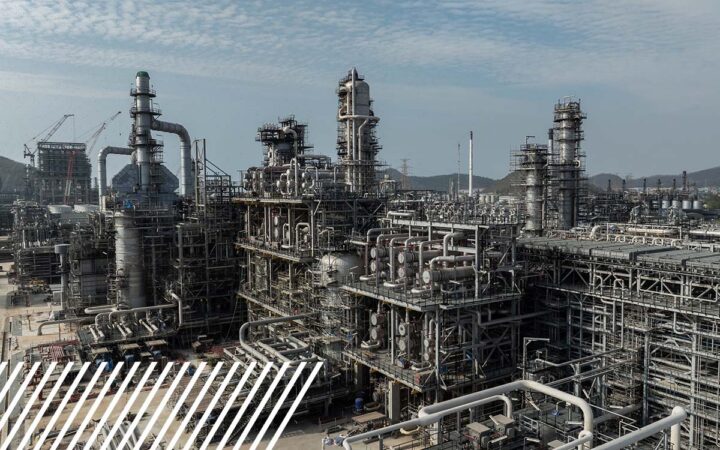
As industries grow, so do the challenges of efficiently managing scaled assets and activities. What once worked for a handful of assets or local operations often becomes unsustainable when companies scale across multiple sites, states, or even nationwide territories.
In industries like utilities and telecom to construction, energy, and industrial facilities, organizations are under pressure to perform faster, safer, and more accurately than ever before. Traditional inspection methods that rely heavily on manual processes are struggling to keep up with modern operational demands.
So, why do manual inspections break at scale?
The answer often comes down to labor limitations, safety risks, inconsistent data collection, slow reporting, and the inability to efficiently manage growing asset networks. As operations expand, companies need scalable inspection methods, and the most effective solutions are powered by reality data capture technology, drone inspections, LiDAR, and digital workflows.
The Problem with Traditional Manual Inspections
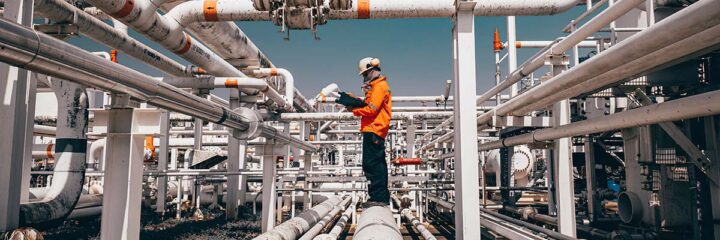
For decades, manual inspections were the standard for monitoring infrastructure, facilities, and critical assets. Inspection teams had to physically travel to job sites, climb structures, document conditions manually, and then return to the office to have to organize reports and findings.
This approach worked when asset inventories were smaller, operations were localized, inspection schedules were less demanding and data requirements were minimal
Today, that reality has changed. Modern industries now have so much more to maintain. Companies now have to manage nationwide operations with thousands of distributed assets. These large-scale infrastructure systems require tight maintenance schedules and must comply with regulatory requirements.
As organizations grow, manual inspection workflows become increasingly difficult to maintain.

Labor Bottlenecks Slow Inspection Operations
One of the biggest reasons manual inspections fail at scale is the amount of labor required.
Traditional inspection workflows often involve:
- Travel coordination
- Site access approvals
- Specialized field crews
- Safety preparation
- Manual reporting
- Data organization
As inspection volumes increase, labor demands also increase.
For industries such as utilities, telecom, oil and gas, and construction, inspectors may spend hours traveling between sites before the actual inspection even begins. Scaling this process across hundreds or thousands of assets creates major operational inefficiencies.
At the same time, many industries are experiencing workforce shortages, making it even harder to keep inspection schedules on track. Staffing challenges create delays in preventive maintenance, infrastructure repairs, construction progress monitoring and asset management planning.
Without scalable inspection technology, organizations struggle to keep up with operational demands.
Manual Inspections Increase Safety Risks
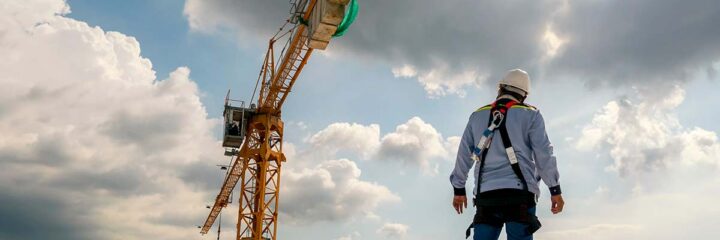
Many traditional inspections require workers to operate in hazardous environments.
Common risks include:
- Climbing cell towers
- Inspecting rooftops
- Accessing flare stacks
- Navigating confined spaces
- Working near energized infrastructure
- Inspecting remote industrial assets
As inspection programs grow, the exposure to safety risks grows as well.
For companies managing large-scale infrastructure, worker safety becomes a critical operational concern. Sending personnel into dangerous environments repeatedly increases liability, scheduling complexity, and overall inspection costs.
In many use cases, the inspector is one component of the deployment. Additional equipment operators, safety and support staff are often required to gain access to the elements being inspected.
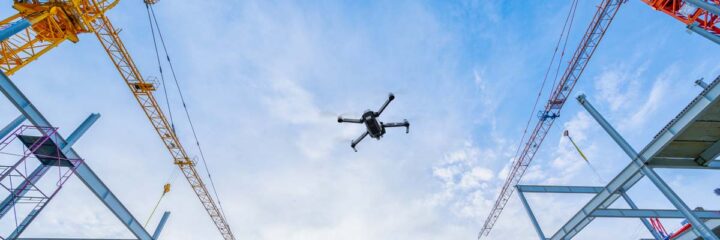
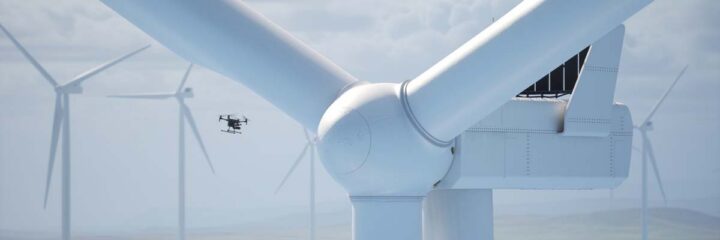
This is yet another reason why many organizations are transitioning to drone inspection services and remote reality data capture solutions. Drone technology allows companies to inspect hard-to-reach assets while significantly reducing human exposure to dangerous conditions and maintaining a higher quality result of the inspection.

Inconsistent Inspection Data Creates Problems at Scale
Another major challenge with manual inspections is inconsistent data collection. Because inspections rely heavily on individual inspectors, the way data is captured and documented can vary significantly from one person to another. Differences in photography, reporting formats, asset condition assessments, and documentation practices can lead to inconsistencies, making it difficult to compare results across sites and over time.
While these variations may be manageable for smaller operations, they become a significant obstacle as organizations scale. Decision-makers depend on accurate, standardized data to understand asset health, identify trends, prioritize maintenance investments, support regulatory compliance, and improve operational planning. When inspection data lacks consistency, it becomes more difficult to gain a clear picture of asset performance across an entire portfolio.
Without standardized digital workflows, organizations often end up with fragmented inspection records stored in different formats and locations. This lack of uniformity limits visibility, complicates data analysis, and slows decision-making, making it harder for companies to efficiently manage large-scale infrastructure and asset networks.

Slow Reporting Delays Critical Decisions
Manual inspection processes are also time-consuming long after fieldwork is complete.
After inspections are performed, teams still need to:
- Upload photos
- Build reports
- Organize files
- Review documentation
- Share findings internally
These manual workflows can delay actionable insights for days or even weeks.
Slow reporting impacts:
- Maintenance scheduling
- Insurance claims processing
- Construction project timelines
- Operational planning
- Emergency response efforts
In industries where real-time information matters, delayed inspection data can become a major business risk. Modern operations require faster access to accurate asset intelligence.

Why Manual Inspections Fail as Operations Grow
How Reality Data Capture Solves the Scaling Problem
Reality data capture solutions help organizations modernize inspections using:
- Drone inspections
- LiDAR scanning
- Thermal imaging
- 3D modeling
- Orthomosaic mapping
- Digital twins
These technologies allow companies to collect highly accurate inspection data quickly and consistently across large operational footprints.
Faster Infrastructure Inspections
Drone-based inspections dramatically reduce the time required to inspect assets.
Organizations can efficiently inspect:
- Transmission lines
- Solar farms
- Cell towers
- Pipelines
- Construction sites
- Industrial facilities
Instead of relying solely on manual site visits, companies can deploy scalable drone operations nationwide and collect large volumes of data in significantly less time.
Standardized Inspection Workflows
Digital inspection processes create consistency across operations.
Using repeatable flight plans and automated capture methods helps organizations standardize:
- Imagery
- Measurements
- Reporting
- Documentation
- Asset tracking
This improves visibility across projects, regions, and asset portfolios.
Centralized Asset Intelligence
Modern reality data capture platforms allow stakeholders to access inspection data remotely from a centralized system.
Teams can review:
- High-resolution imagery
- LiDAR datasets
- Thermal scans
- 3D models
- Inspection reports
without needing to physically revisit the site. This improves collaboration between operations, engineering, maintenance, and leadership teams.
Improved Safety and Reduced Downtime
Remote inspections reduce the need for dangerous climbs, shutdowns, and manual access procedures.
As a result, organizations can:
- Improve worker safety
- Reduce operational disruptions
- Lower inspection costs
- Increase efficiency
At scale, these advantages become significant competitive benefits.
The Future of Inspections Is Scalable, Data-Driven Intelligence
Manual inspections break at scale because modern operations have outgrown traditional workflows. As infrastructure networks expand and organizations manage larger portfolios of assets across wider geographic areas, the need for faster, safer, and more reliable inspection methods continues to grow. Companies can no longer afford to rely solely on time-consuming manual processes that often result in delayed reporting, inconsistent data, and limited visibility into asset conditions.
The future of infrastructure inspections is being shaped by technology that enables organizations to collect, analyze, and act on data more efficiently. Innovations such as AI-powered analytics, predictive maintenance, digital twins, automated reporting, and real-time asset monitoring are transforming inspections from periodic, reactive tasks into continuous sources of operational intelligence. Rather than waiting weeks for inspection reports, stakeholders can access accurate, actionable insights that support faster decision-making and more proactive asset management.
Reality data capture technologies, including drones, LiDAR, thermal imaging, and 3D modeling, are at the center of this transformation. These solutions help organizations collect large volumes of high-quality data quickly and consistently while improving worker safety and reducing operational disruptions. By centralizing inspection data and standardizing workflows across locations, companies gain a clearer view of asset performance and can make more informed decisions about maintenance, budgeting, and long-term planning.
Organizations that embrace scalable inspection technology are better positioned to improve efficiency, reduce risk, and maintain visibility across their operations. For industries managing critical infrastructure and distributed assets, the ability to capture and leverage accurate data at scale is becoming a competitive advantage. As inspection demands continue to increase, scalable digital inspections are no longer simply an alternative to manual methods. They are becoming the new industry standard.