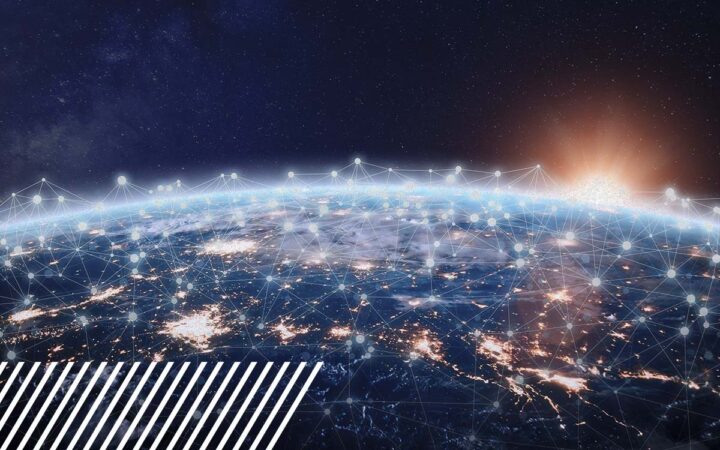
Seeing Is Believing: How Reality Data Shapes the World Around Us
In the modern world, progress is measured not only by what we build but by what we see. The more clearly we can visualize our landscapes, infrastructure, and environments, the more precisely we can shape them. That is the power of reality data. It takes the guesswork out of decision-making and replaces it with clarity, accuracy, and confidence.
From massive transportation networks to the rows of crops feeding millions, reality data has become the lens through which industries understand their challenges and plan their futures. Simply put: seeing is believing, and believing is what fuels growth.
Why Reality Data Matters More Than Ever
Across the industries that keep our world operating—construction, utilities, agriculture, environmental management, energy, and telecommunications—data isn’t optional. It’s foundational. These sectors face enormous pressure to operate efficiently, safely, and sustainably. The only way to do that effectively is by making choices rooted in reliable information.
Reality data provides exactly that.
High-resolution imagery, LiDAR point clouds, thermal scans, GIS layers, and 3D digital twins give organizations a precise and measurable picture of the world around them. Whether they’re monitoring a bridge, planning a solar farm, or evaluating storm damage, leaders can make decisions with full context because they can see it.
And when you can see reality in detail, you can improve it.
Quality Data: The Backbone of Every Smart Decision
The phrase “garbage in, garbage out” has never been more relevant. Data is powerful, but only when it is accurate, consistent, and complete.
High-quality reality data:
- Reduces costly mistakes
- Enhances safety and compliance
- Supports predictive maintenance
- Drives operational efficiency
- Enables automation and machine learning
- Builds trust in the decisions being made
When industries rely on outdated, incomplete, or low-resolution information, the impact is immediate: delays, failures, overspending, and risks. But when they rely on quality, measurable data, the outcome is stronger, faster, smarter growth.

How Reality Data Helps Us See Change Over Time
One of the greatest advantages of reality data is the ability to track and visualize change. GIS systems and geospatial datasets enable us to overlay data from different points in time, revealing how a site, city, or entire region evolves.
From the GIS world, the facts are clear:
Infrastructure Doesn’t Just Age—It Tells a Story
Reality data allows stakeholders to:
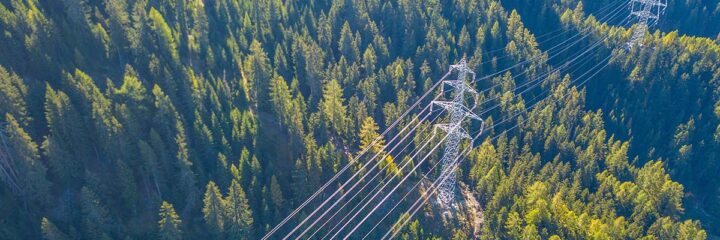
- Identify structural changes in roads, bridges, and utilities
- Detect early signs of degradation
- Verify construction progress
- Plan expansion or maintenance based on objective evidence
When a city needs to understand how a highway has shifted over 20 years or how new development affects drainage, reality data provides the proof.
Agriculture Thrives on Precision
GIS and reality capture have transformed farming by enabling growers to:
- Analyze soil health over time
- Optimize irrigation patterns
- Identify nutrient deficiencies
- Track crop health using multispectral and thermal views
- Plan plantings and field layouts for maximum yield
“Seeing” a field in different wavelengths—visible, near-infrared, thermal—unlocks a world of information the human eye alone could never detect.
Environmental Monitoring Becomes Actionable
Reality data is essential for:
- Flood modeling
- Coastline erosion tracking
- Forestry management
- Wildlife habitat mapping
- Disaster assessments
When governments and organizations understand how environments shift over time, they can respond with precision and agility.

The Future: A World Built on Reality
Every mission completed, every structure improved, every ecosystem protected—these outcomes start with data. And not just any data. Advanced, high-quality, reality-based data that gives us a true picture of the world we are shaping.
Reality data is not just documentation. It’s a blueprint for smarter cities, healthier communities, more efficient industries, and more sustainable environments.
We improve what we can measure.
We measure what we can see.
And today, we can see more than ever.
Seeing is believing, and that belief is building the world of tomorrow.