How Can Agriculture Teams Build Repeatable, Scalable Data Workflows?
Modern agriculture is no longer just about land and labor; it’s about data. From drone imagery to IoT sensors and satellite insights, today’s farms generate more information than ever. But collecting data isn’t the challenge. The real challenge is using it consistently, efficiently, and at scale.
So how can agriculture teams actually build workflows that are both repeatable and scalable?
Why Are Data Workflows Important in Precision Agriculture?
Precision agriculture depends on accurate, consistent, and timely data. Farmers and agribusinesses rely on:
- Drone data collection
- Remote sensing and satellite imagery
- Field-level analytics
However, without a structured agriculture data workflow, many operations face:
- Inconsistent data collection methods
- Manual and inefficient processes
- Disconnected tools and platforms
The result is fragmented agricultural data that’s difficult to scale and even harder to act on. A well-built workflow solves these issues by improving efficiency, consistency, and decision-making.
What Is a Repeatable, Scalable Data Workflow in Agriculture?
A repeatable data workflow in agriculture ensures that the same process produces consistent results across fields, seasons, and teams.
A scalable agriculture workflow allows that same process to expand across:
- Thousands of acres
- Multiple farm locations
- Regional or nationwide operations
To achieve both, workflows must include:
- Standardized data capture
- Automated data processing
- Centralized data management
- Actionable agricultural insights
Key Components of a Scalable Agriculture Data Workflow
1. Standardized Data Collection in Agriculture
Consistency begins with how data is captured. Best practices include:
- Predefined drone flight plans
- Consistent timing based on crop growth stages
- Standardized sensors and equipment
Without standardized agricultural data collection, it’s nearly impossible to compare results over time or across locations.
2. Scalable Data Capture Networks
As farms and agribusinesses grow, data collection must scale with them. A distributed data capture network enables:
- Coverage across large agricultural regions
- Faster data collection turnaround
- Consistent, high-quality datasets
This is especially critical for large-scale farming operations.
3. Automated Agricultural Data Processing
Raw data must be processed quickly to be useful. Automation helps:
- Convert raw drone data into NDVI maps, orthomosaics, and 3D models
- Reduce manual processing time
- Deliver faster insights for decision-making
Automated workflows are essential for scaling precision agriculture operations.
4. Centralized Agricultural Data Management
Data should be stored in a centralized, cloud-based platform. This allows teams to:
- Organize data by field, crop type, and date
- Access and share insights easily
- Track performance over time
Centralized systems are key to managing large volumes of agricultural data efficiently.
5. Turning Agricultural Data into Actionable Insights
The goal of any workflow is to support better decisions. Scalable workflows enable:
- Crop health monitoring
- Irrigation and water management
- Yield optimization
- Early pest and disease detection
Integration with farm management software ensures insights are applied in real time.
Challenges in Scaling Agriculture Data Workflows
Even with advanced tools, scaling agricultural data workflows can be difficult. Many operations invest in technology but still struggle to create consistency and efficiency across their data processes.
- Inconsistent data capture across teams
When different teams, operators, or regions collect data using slightly different methods—varying flight parameters, timing, or equipment settings—the results become difficult to compare. This lack of standardization reduces data reliability and limits the ability to track trends over time or make confident decisions. - Limited labor and internal resources
Scaling data collection across large acreages or multiple locations requires significant manpower and coordination. Many agriculture teams simply don’t have the internal resources to consistently capture, process, and manage data at scale, leading to gaps, delays, or incomplete datasets. - Data overload without clear insights
Collecting large volumes of data is easier than ever, but without a clear workflow for processing and analysis, teams can quickly become overwhelmed. Instead of enabling decisions, excess data can create confusion, especially when there’s no clear path from raw data to actionable insight. - Fragmented ag tech platforms
Many operations use multiple tools for data collection, processing, and analysis, but those systems don’t always integrate seamlessly. This fragmentation creates silos, slows down workflows, and makes it difficult to get a unified view of operations.
These challenges reinforce an important reality: success in precision agriculture isn’t about collecting more data. It’s about building a structured, repeatable system that ensures data is consistent, connected, and usable at scale.
How to Build a Scalable Agriculture Data Workflow (Step-by-Step)
- Define Your Agricultural Data Goals: Identify what decisions your data needs to support.
- Standardize Data Collection Methods: Ensure consistency in how data is captured.
- Invest in Precision Agriculture Technology: Use tools that support automation and scalability.
- Automate Data Processing Pipelines: Reduce manual effort and speed up delivery.
- Implement Quality Control Systems: Maintain accuracy and consistency across datasets.
- Leverage Scalable Data Capture Solutions: Use networks or partners to expand coverage efficiently.
Real-World Applications of Scalable Data Workflows in Agriculture
When implemented correctly, scalable workflows support:
- Large-scale crop scouting
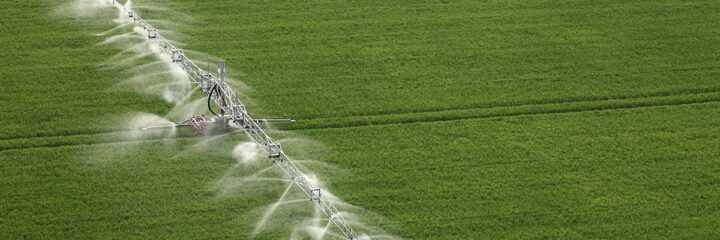
- Precision irrigation planning
- Field variability and soil analysis
- Multi-location farm management
- Early detection of crop stress and disease
These use cases demonstrate how structured workflows improve operational efficiency and crop outcomes.
The Role of Data Capture Providers in Agriculture
Many agriculture teams rely on data capture providers to scale efficiently.
These providers offer:
- Standardized agricultural data collection processes
- Nationwide or regional pilot networks
- Fast, reliable data delivery
By outsourcing data capture, teams can focus on analyzing insights and improving outcomes.

The Future of Agriculture Data Workflows
Agriculture data workflows are becoming more advanced with:
- AI-powered agricultural analytics
- Real-time data collection and monitoring
- Integration across ag tech platforms
- Fully automated workflows from data capture to insight
As precision agriculture continues to evolve, scalable workflows will be a competitive advantage.
Final Thoughts: Building Scalable Data Workflows in Agriculture
So, how can agriculture teams build repeatable, scalable data workflows?
By focusing on:
- Standardization
- Automation
- Centralization
- Integration
Success in modern agriculture isn’t about collecting more data. It’s about building systems that make data consistent, scalable, and actionable.
Because the future of farming belongs to those who can turn data into decisions at scale.