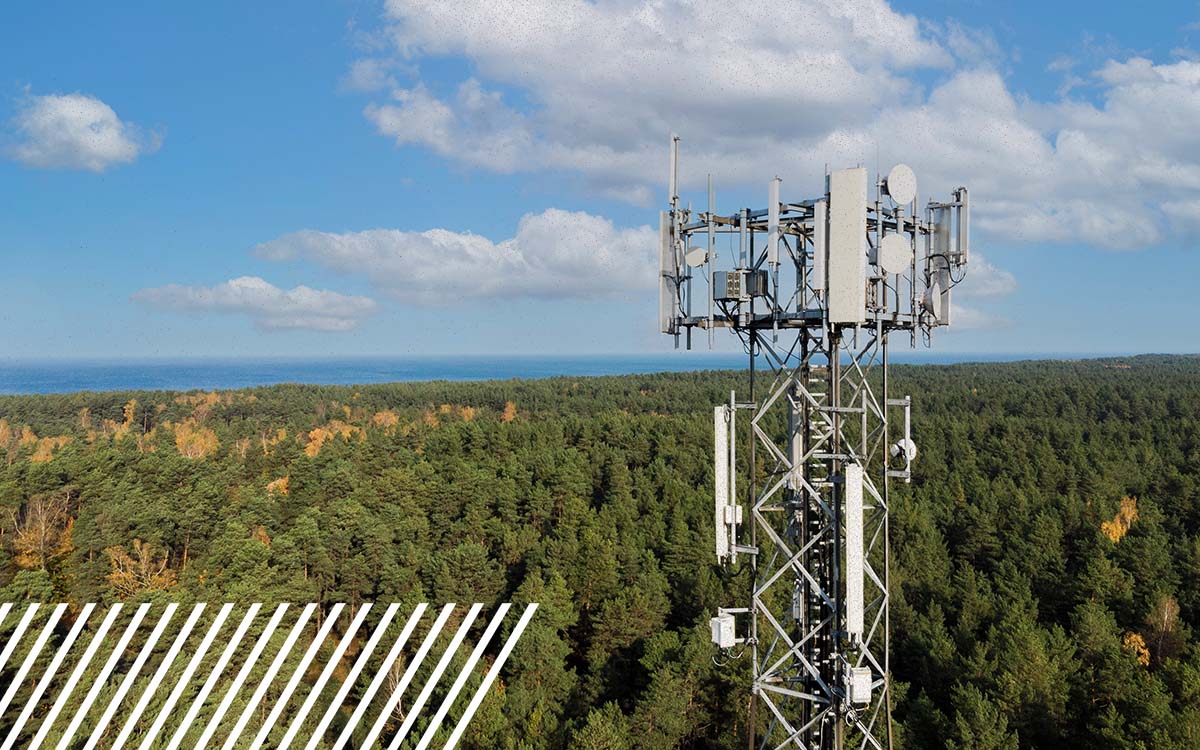
Can Drones Inspect Cell Towers? What Actually Happens During a Drone Tower Inspection
Yes, drones can inspect cell towers by capturing detailed aerial imagery of antennas, equipment, structural components, and the surrounding site. Depending on the project, that imagery can also be used to create an accurate 3D model or digital twin of the tower.
The bigger question is what it takes to collect that data correctly.
A cell tower drone inspection is not simply a pilot flying a few circles around a tower. Active telecommunications equipment can interfere with positioning. Multiple carriers may share the same structure. Guy wires can be difficult to see. And the customer may need very specific equipment captured from very specific angles.
We recently sat down with Randy Fields, an in-house drone pilot at FlyGuys, to talk about what actually happens during a cell tower inspection in the field. Randy has been flying drones for more than six years, with experience in renewable energy, construction, and telecom. He has flown roughly 25 to 30 cell sites and completed extensive telecom-specific training, along with OSHA certifications and hands-on field training.
His biggest takeaway: the drone may be capable of flying an automated mission, but the inspection itself is far from automatic.
What Can a Drone Inspect on a Cell Tower?
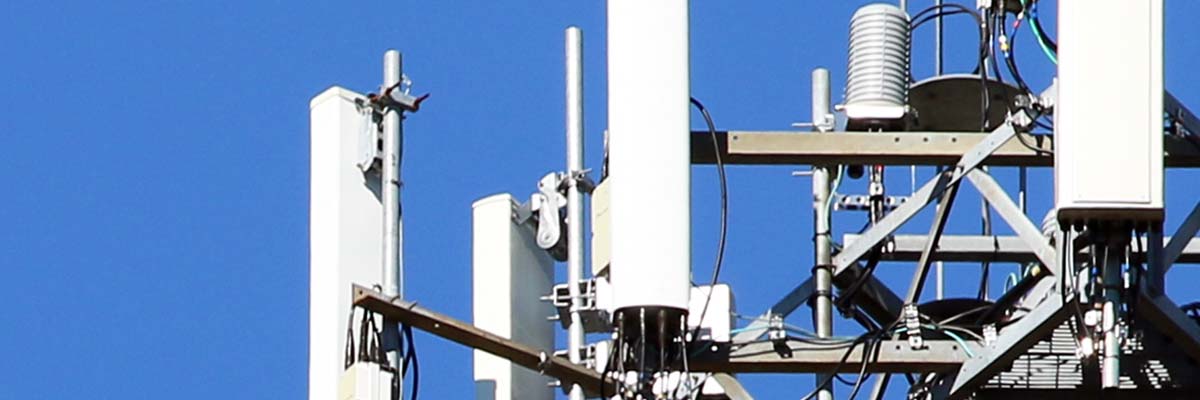
A drone can capture high-resolution RGB imagery of a cell tower and the equipment installed on it, giving tower operators detailed views of areas that are difficult to see from the ground.
Depending on the scope of the project, the pilot can capture the tower itself, antennas and other carrier equipment, as well as the surrounding compound.
But the goal isn’t necessarily to photograph everything equally.
Many towers contain equipment belonging to multiple carriers. A pilot collecting data for one carrier needs to know which equipment belongs to that customer and make sure the required components receive the right coverage.
“You can have three or four carriers inside one site,” Randy explained. “You’re only focused on your customer.”
That becomes more challenging as towers get crowded. Equipment can look similar from the ground, and some identifying components may not be visible until the drone reaches the appropriate elevation. Randy said learning to distinguish the correct equipment is one of the skills pilots develop through telecom-specific experience.
What Does a Cell Tower Drone Inspection Look Like?
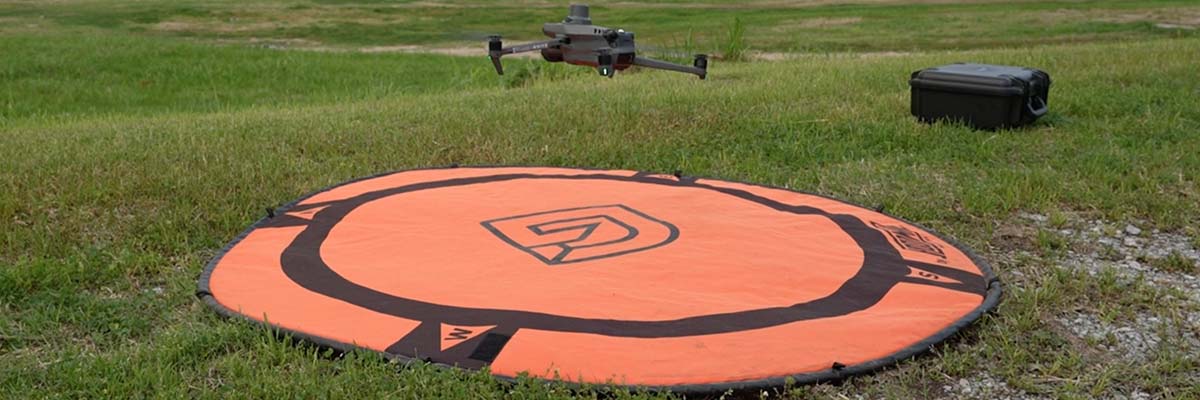
A telecom mission starts well before the drone takes off.
Before arriving, the pilot needs to understand the site’s access requirements and review the available information about the tower. That can include gate or lock information, check-in procedures, equipment details, and other site-specific instructions.
Once on site, the pilot assesses the compound and tower for hazards such as vegetation, power lines, guy wires, and other obstructions.
From there, the actual data collection depends on what the customer needs.
For the telecom projects Randy described, that could include ground-level photography, Matterport capture, aerial RGB imagery, control points, compound overview imagery, and multiple orbits around the tower and specific equipment.
The equipment itself may need to be photographed from several perspectives.
“When the drone is flying in an orbit around that particular piece of equipment on the tower, it’s got to do it in three different angles,” Randy said.
That can include a top-down view, a straight-on view, and an upward-looking angle designed to capture areas underneath the equipment.
For the customer, those different perspectives create something a ground-level inspection simply cannot provide: a detailed visual record of equipment hundreds of feet above them.
Why Would a Cell Tower Inspection Need Ground and Aerial Data?
Because sometimes the deliverable isn’t just a collection of photographs.
For projects requiring a 3D model or digital twin, ground and aerial capture can work together to create a more complete representation of the site.
Randy explained that RTK positioning helps establish where the drone was when each image was captured. Ground control and other reference points can then help tie the different datasets together.
“The photographs are what build the model,” Randy said. “We’re meshing that all together into one deliverable.”
The resulting model can give a telecom team a detailed digital representation of the tower and its equipment. Depending on the project requirements and accuracy of the model, operators can use it to review existing equipment, take measurements, or evaluate how much space may be available for future installations.
That’s increasingly valuable as telecom infrastructure continues to change.
As Randy pointed out, towers have evolved through LTE, 4G, 5G and beyond. Operators add, replace, or reposition equipment, but the physical space on the tower remains limited.
Accurate documentation gives operators a clearer picture of what is actually there before they plan what comes next.
What Makes Cell Tower Drone Inspections Difficult?
One of the biggest challenges is something you can’t necessarily see: electromagnetic and radio-frequency interference.
Cell towers are actively transmitting signals. Those signals can affect the systems the drone relies on during an inspection.
“The interference is something you really can’t get away from,” Randy said. “It affects just about every tower.”
For the workflows Randy described, maintaining an RTK connection is important to achieving the positioning accuracy required by the project. If that connection drops, the pilot may need to pause the automated mission and manually move the aircraft away from the source of interference until the connection can be re-established.
Once everything is stable, the pilot can resume the mission.
That is one reason autonomous flight doesn’t eliminate the need for an experienced pilot.
The software can execute a predetermined flight path, but the pilot still needs to watch what the aircraft is doing and recognize when field conditions require intervention.
How Close Does a Drone Need to Fly to a Cell Tower?
Not as close as you might think.
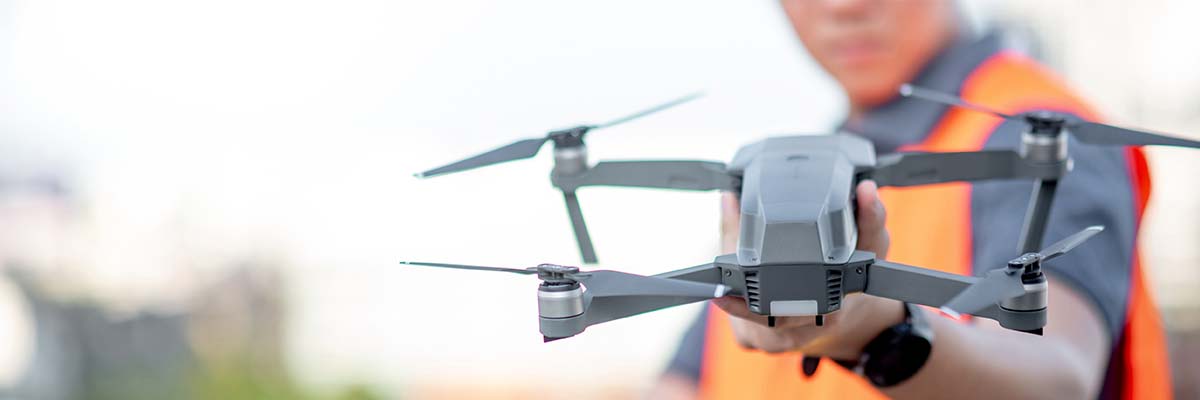
High-resolution camera systems can capture significant detail without putting the aircraft directly against the tower.
Randy said that, depending on the equipment and mission requirements, useful imagery can often be captured from around 30 feet away.
“Being safely away is more important than being real close up,” he said.
Distance is particularly important around microwave equipment and physical obstacles. Flying closer can increase the potential for interference, while getting too close to structural components creates unnecessary collision risk.
The type of tower also matters.
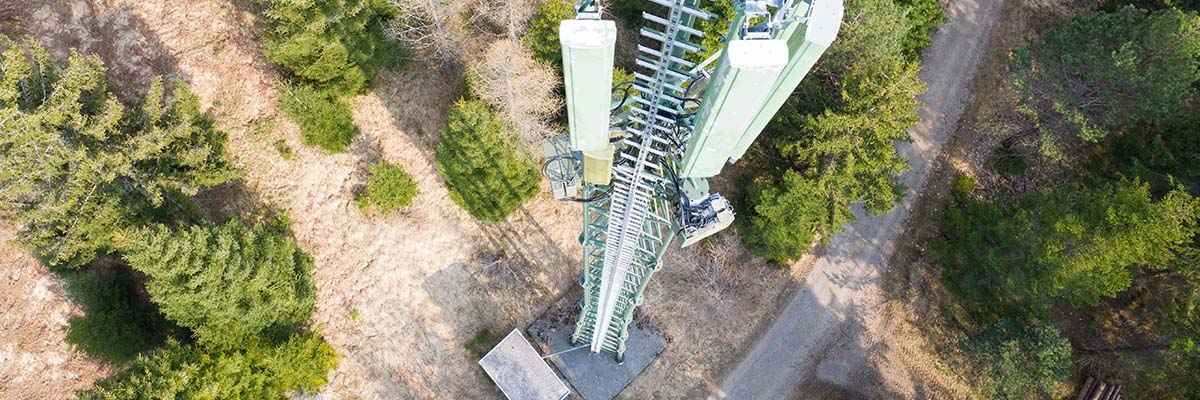
A monopole presents a different flight environment than a self-supporting or guyed tower. Guyed towers are particularly challenging because the drone has to navigate around the cables supporting the structure.
Pilots need to identify where those cables connect to both the tower and the ground so the flight path can account for them.
“You have to really pay attention because hitting a cable is detrimental to the whole mission,” Randy said. “It can cause a crash.”

How Do Pilots Know They Captured the Right Data?
They check before leaving.
This may be one of the most important parts of the entire workflow.
After the flight, Randy reviews the RGB imagery while he is still at the site. He’s looking for blurred images, missing angles, or equipment that wasn’t captured clearly enough.
“If you can’t see a particular part of the antenna that they’re wanting captured, then it’s better to just go ahead and re-fly it there while you’re there than to have to be called back,” he said.
For a single tower, that saves a return trip.
Across a large telecom program, it becomes even more important.
Customers may be collecting the same type of information across tens or hundreds of sites. If one dataset doesn’t meet the required capture criteria, that tower may need to be flown again.
That’s why consistency matters. The conditions at every tower won’t be identical, but the resulting data still needs to meet the customer’s requirements.
Does Experience Matter for Cell Tower Drone Inspections?
Very much so.
Being a capable drone pilot doesn’t automatically make someone proficient at telecom capture.
Randy referenced guidance he received during training that a new telecom pilot may need experience across roughly 20 towers before becoming proficient.
Why so many?
Because no two sites are exactly alike.
“You’re looking at all kinds of different scenarios,” Randy said. “Not just different towers, but the way some of the sites are laid out.”
One site might be a relatively straightforward monopole. Another may contain a guyed tower surrounded by obstacles. Multiple carriers can share the same structure, requiring the pilot to distinguish the customer’s equipment from everything around it.
With experience, pilots learn what they are looking at and how to adjust the mission without losing the consistency the customer expects.
What Can Tower Operators Do to Make a Drone Inspection More Efficient?
One of the simplest things operators can do happens before the pilot ever reaches the site: provide complete and accurate access information.
Randy repeatedly identified site access as one of the biggest preventable causes of lost time in the field.
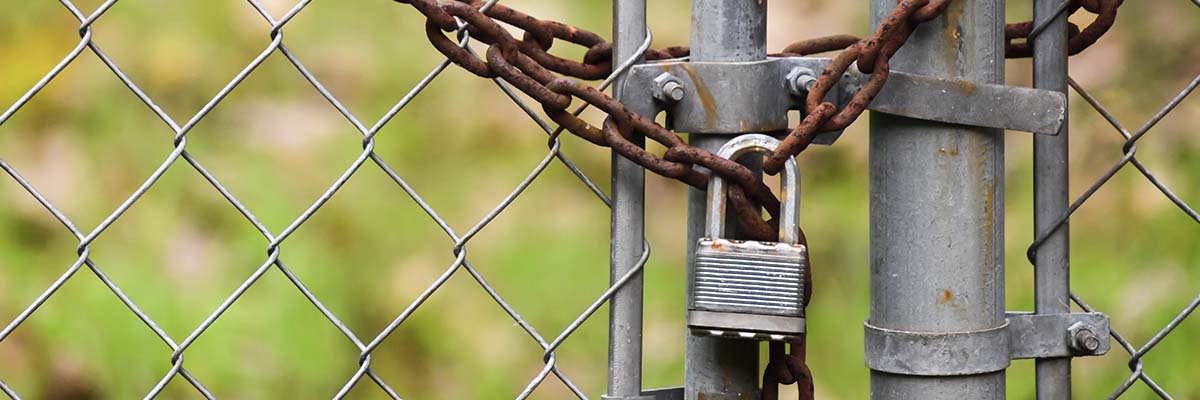
A missing gate code, outdated lock information, or unclear check-in procedure can leave a pilot sitting outside a tower compound making phone calls instead of collecting data.
“If you wait until you get there before you start logging in, you’ve wasted a lot of time,” Randy said. “Time is everything when it comes to these.”
Providing current access instructions, site contacts, required check-in procedures, and other relevant information helps the pilot arrive prepared and keeps the inspection moving.
Can Drones Replace Traditional Cell Tower Inspections?
Drones can reduce the need to send someone up a tower solely to collect visual information, but that doesn’t mean they eliminate every need for a climber or technician.
What they can do is give operators a detailed view of the tower before deciding what needs to happen next.
That distinction matters.
If a telecom team needs to understand what equipment is installed, document its visible condition, verify a configuration, or gather information before planning future work, a drone can collect that information while the pilot remains on the ground. FlyGuys also uses drone inspections to provide detailed visual records and digital-twin deliverables for telecom infrastructure.
Randy sees that as one of the biggest benefits.
Instead of sending someone up with a hook and harness simply to determine what’s there, teams can first review imagery of the tower and use that information to make a more informed decision about whether additional hands-on work is necessary.
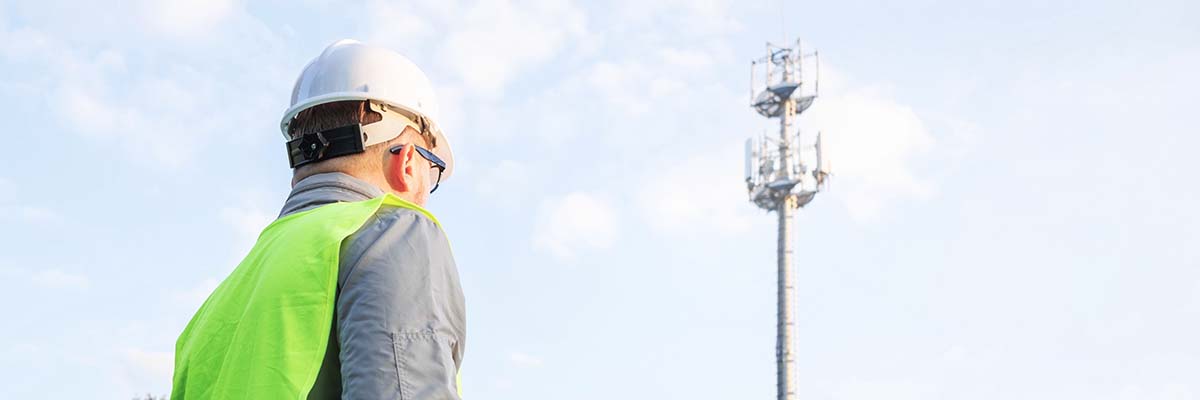
The Drone May Be Automated. The Inspection Isn’t.
So, can drones inspect cell towers?
Absolutely.
But the value isn’t simply that a drone can fly around a tower and take pictures.
A successful telecom inspection depends on understanding what the customer needs, identifying the right equipment, navigating the hazards around the tower, maintaining the required positioning accuracy, and making sure the resulting dataset is complete before leaving the site.
The technology makes the capture possible. Experienced pilots and a repeatable process make the data useful.
For telecom operators managing infrastructure across multiple locations, that distinction becomes even more important. Consistent reality data gives teams a way to understand what’s happening in the field without putting someone on every tower just to get a closer look.
Need cell tower data across one site or an entire portfolio? FlyGuys can deploy experienced drone pilots nationwide to capture the imagery and reality data your team needs. Request a quote to get started.
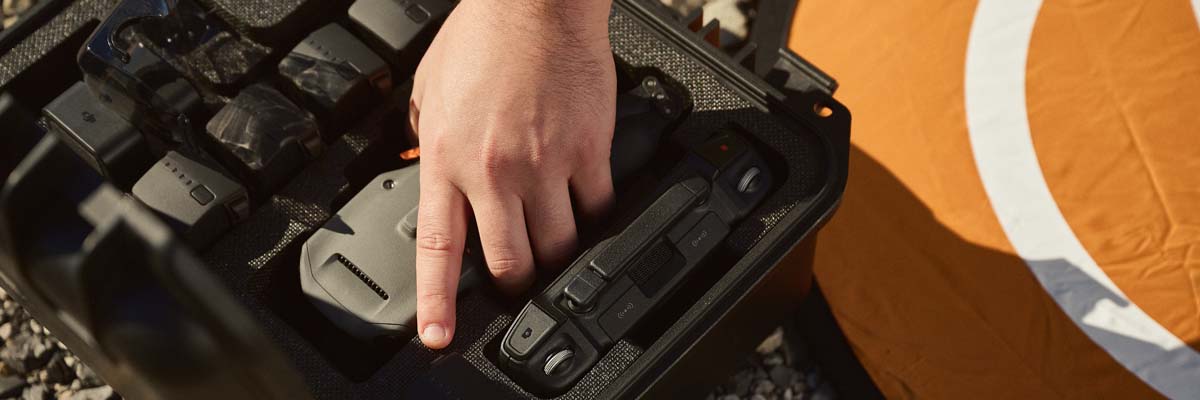
Frequently Asked Questions
Can drones inspect cell towers?
Yes. Drones can inspect cell towers by capturing high-resolution aerial imagery of antennas, equipment, structural components, and other areas that may be difficult to see from the ground. Depending on the project, drone imagery can also support 3D models and digital twins that help operators better understand tower conditions and configurations.
What can a drone inspect on a cell tower?
A drone can capture detailed imagery of antennas, carrier equipment, tower components, and the surrounding compound. Pilots can collect multiple viewing angles, including top-down, straight-on, and upward-facing imagery, based on the customer’s inspection requirements.
Are drones safer than climbing a cell tower for an inspection?
Drones can reduce the need for a person to climb a tower solely to perform a visual inspection. A drone pilot can capture detailed imagery while remaining on the ground, allowing tower operators to review the data before determining whether hands-on inspection, maintenance, or repair is necessary.
Can drones create 3D models of cell towers?
Yes. Drone imagery can be combined with accurate positioning and ground data to create 3D models or digital twins of cell towers. Depending on the accuracy requirements and capture method, these models can help telecom teams review existing equipment, take measurements, and evaluate available space for future installations.
How close does a drone need to fly to a cell tower?
A drone does not always need to fly extremely close to capture useful inspection imagery. High-resolution cameras can provide detailed images from a safer distance. The appropriate distance depends on the tower type, equipment, potential interference, physical obstacles, and the customer’s data requirements.
Can cell tower signals interfere with drones?
Yes. Active telecommunications equipment can create electromagnetic or radio-frequency interference that may affect a drone’s positioning or connection. Experienced pilots monitor the aircraft and positioning systems throughout the mission and can pause or adjust the flight when interference occurs.
Why does pilot experience matter for cell tower inspections?
Cell tower inspections require pilots to do more than safely operate a drone. Pilots may need to identify carrier-specific equipment, navigate around guy wires and other obstacles, manage interference, follow precise capture requirements, and verify that the necessary imagery was collected before leaving the site. Telecom-specific training and field experience help pilots produce more consistent, usable datasets.
How can cell tower operators prepare for a drone inspection?
Operators can help make an inspection more efficient by providing accurate site access information before the pilot arrives. This may include gate or lock information, site contacts, check-in procedures, and relevant site instructions. Providing this information in advance helps reduce field delays and allows the pilot to focus on data collection.