What Are 8 Property Inspection Bottlenecks Developers Should Know
Quick answer: The biggest bottlenecks in traditional property inspection are scheduling delays, unsafe access to elevated or hazardous areas, inconsistent documentation, weather dependency, human error, slow reporting turnaround, limited data for stakeholders, and compliance blind spots. Each of these slows down property development timelines and adds risk, and each has a faster, safer alternative in drone-based and digital inspection methods.
Property inspection is one of the most repeated and most underestimated steps in the development lifecycle. Every phase of a project, from pre-acquisition due diligence to post-construction handoff, depends on accurate, timely building assessment. Yet most development teams still rely on traditional inspection methods that were designed for a slower, smaller-scale industry.
For property developers managing multiple sites, tight financing timelines, and demanding stakeholders, these old workflows create friction that compounds project over project. Below are the eight most common bottlenecks in property inspection today, why they happen, and what faster, safer assessment methods look like in practice.
1. Manual Scheduling Creates Project Delays
Why it happens: Traditional property inspection is limited to an inspector’s availability, site access, weather windows, and sometimes tenant or contractor availability. A single rescheduled visit can push back permitting, financing, or closing timelines by days or weeks.
The bottleneck for developers: On multi-site or multi-phase developments, this scheduling friction multiplies. A delay on one site inspection can cascade into delayed draws, missed construction milestones, or lapsed insurance windows.
Faster alternative: On-demand inspection scheduling, including drone-based flights that can be dispatched and completed in hours rather than weeks, removes the dependency on a single inspector’s availability and shrinks the time between request and report.

2. Limited Access to Roofs, Facades, and Hard-to-Reach Areas
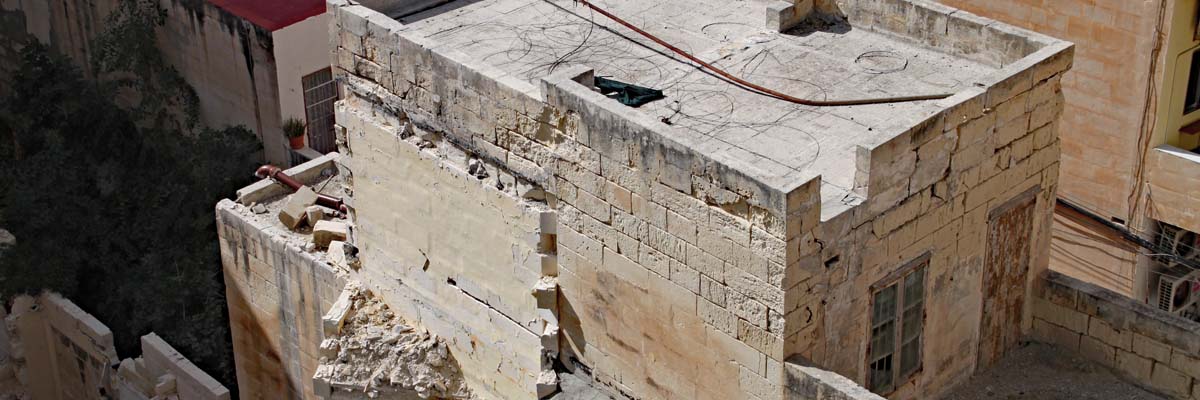
Why it happens: Roofs, building envelopes, tall structures, and areas above active construction are difficult and often dangerous to inspect manually. Ladders, scaffolding, lifts, and harness systems are required just to get eyes on the asset.
The bottleneck for developers: Limited physical access means inspectors sometimes assess these areas from the ground or skip them altogether, leaving blind spots in due diligence reports that surface later as costly surprises.
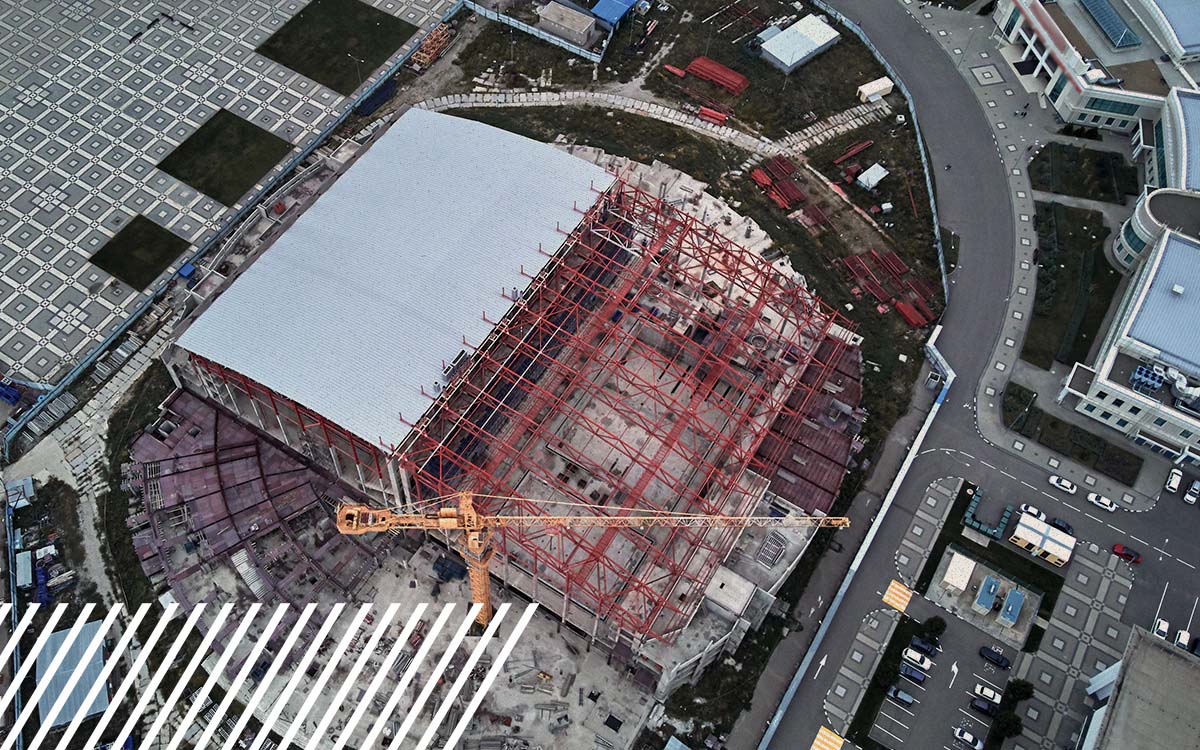
Faster alternative: Aerial imaging captures full roof, facade, and structural coverage without scaffolding, lifts, or lane closures, giving developers complete visual documentation of areas traditional inspection methods routinely under-assess.
3. Inspector Safety Risks Slow Down High-Risk Sites
Why it happens: Fall hazards, unstable structures, active construction zones, and confined spaces make traditional in-person inspection inherently risky. Safety protocols, such as required harnessing, spotters and insurance sign-offs, add time before an inspector can even begin.
The bottleneck for developers: High-risk sites often see inspections deferred, minimized, or rescheduled around safety availability, directly delaying project timelines and increasing liability exposure for the development team.
Faster alternative: Remote and aerial inspection methods keep personnel on the ground while still capturing high-resolution site data, cutting both safety risk and the administrative delay that comes with it.
4. Inconsistent Documentation Across Inspectors and Sites
Why it happens: Traditional inspection reports vary widely by inspector: different formats, different levels of detail, different photo quality. On large real estate portfolios, this inconsistency makes it hard to compare properties or track condition over time.
The bottleneck for developers: Inconsistent documentation slows down underwriting, complicates investor and lender reporting, and makes it difficult to build a reliable historical record for each asset.
Faster alternative: Standardized digital capture, such as consistent imaging angles, geotagged photos, and structured data formats, creates comparable records across every site and every phase of development.

5. Weather Dependency Pushes Back Assessment Timelines
Why it happens: Many traditional inspection methods, especially those requiring lifts, scaffolding, or exterior access, are highly weather-dependent. Rain, wind, or extreme heat can delay or cancel scheduled visits.
The bottleneck for developers: Weather delays are unpredictable by nature, which makes it difficult to build reliable buffers into development schedules, and repeated cancellations extend timelines further than developers plan for.
Faster alternative: Modern drone platforms can operate in a wider range of conditions than manual crews requiring scaffolding or lifts, and rapid rescheduling reduces the compounding effect of weather-related cancellations.
6. Human Error and Subjective Assessments
Why it happens: Manual inspection relies on a single person’s visual judgment, often under time pressure, working from ground level or a limited vantage point. Two inspectors can reasonably reach two different conclusions about the same condition.
The bottleneck for developers: Subjective, inconsistent assessments create risk in due diligence, insurance claims, and dispute resolution, particularly when a report is later challenged by a lender, insurer, or buyer.
Faster alternative: High-resolution imagery and measurement data provide an objective visual record that supports rather than replaces professional judgment, reducing disputes and giving all stakeholders the same source of truth.
7. Slow Report Turnaround Delays Decision-Making
Why it happens: Traditional workflows often separate data collection from report production. An inspector visits a site, then manually compiles findings, photos, and notes into a report, a process that can take days.
The bottleneck for developers: In real estate, timing drives value. Slow report turnaround delays go/no-go decisions on acquisitions, holds up construction draws, and pushes back closing dates.
Faster alternative: Digital-first inspection workflows, where imagery and data are captured, uploaded, and processed through a unified platform, can compress report turnaround from days to hours.

8. Compliance and Liability Blind Spots
Why it happens: Traditional property inspection methods can miss code violations, insurance-required documentation, or condition changes between inspection cycles simply because coverage was incomplete or inconsistent.
The bottleneck for developers: Gaps in documentation become liability exposure for permitting, insurance claims, warranty disputes, or regulatory compliance, often discovered only after a problem has already occurred.
Faster alternative: Comprehensive, repeatable inspection methods with full-site coverage and time-stamped records create a defensible compliance trail that supports permitting, insurance, and property management needs long after the initial assessment.

Why These Bottlenecks Matter More for Property Developers
Property development runs on interconnected timelines: financing, permitting, construction, leasing, and sale. A delay in property inspection doesn’t stay contained; it ripples into every downstream milestone. As portfolios grow and real estate challenges around labor availability, insurance requirements, and site complexity increase, developers who rely solely on traditional inspection methods absorb more schedule risk than those using faster, safer assessment approaches.
Faster building assessment methods don’t just save time; they reduce liability, improve documentation consistency across a portfolio, and give development teams a more complete picture of asset condition before problems become expensive.
Frequently Asked Questions
What causes the most delays in property inspection? Manual scheduling and limited access to elevated or hazardous areas are typically the two biggest sources of delay, since both depend on coordinating people, equipment, and weather conditions before an inspection can even begin.
How can property developers speed up inspection timelines? Developers can reduce delays by adopting on-demand, digital-first inspection methods, such as drone-based aerial inspection, that don’t require scaffolding, lifts, or extended scheduling windows and can produce reports in hours rather than days.
Are drone inspections as reliable as traditional inspections? Aerial and digital inspection methods provide high-resolution, geotagged, and standardized documentation that often captures more consistent detail than manual inspection alone, while still supporting review by licensed professionals.
Why does documentation consistency matter for developers? Consistent documentation across sites makes it easier to compare properties, support lender and investor reporting, and maintain a reliable historical record – something traditional, inspector-dependent reports often lack.
FlyGuys helps property developers and real estate teams move past these bottlenecks with on-demand aerial inspection and digital documentation, giving development teams faster turnaround, safer site coverage, and consistent data across every property in a portfolio.