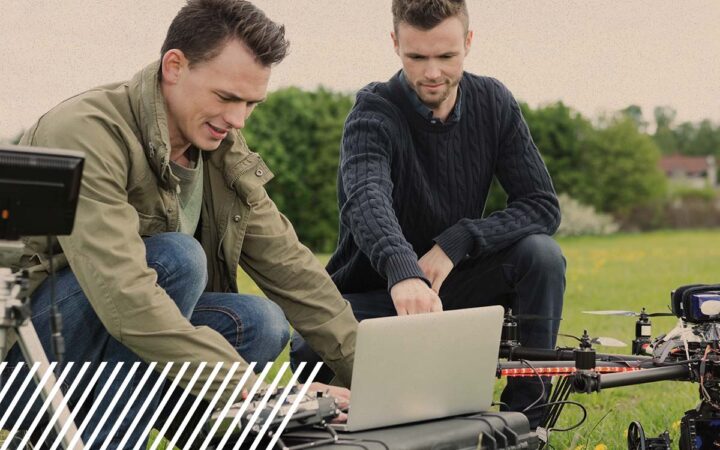
Seeing Is Believing: Why Every Pilot Should Review Their Data Before Leaving the Site
In aviation, instinct matters. Experience matters. Trust in your equipment absolutely matters.
But when it comes to data capture, there’s one rule every pilot should engrain into their process:
Never leave the site without visually confirming your data.
It doesn’t matter how smooth your flight felt, how stable your signal was, or how perfect your plan looked on paper; your mission isn’t complete until you’ve put eyes on your deliverables.
Because in reality data capture, seeing is believing, and believing without seeing is a fast track to rework, delays, and frustration.
Why Visual Confirmation Matters
Even the most seasoned drone pilots know that things can go wrong in the air without making a sound.
A flawless flight does not guarantee flawless data. And the consequences of missing something can be costly, not just for the pilot, but for the customer, the timeline, and the quality of the final deliverable.
A quick review of your captures while you’re still on-site can catch issues long before they become major problems later.

What You’ll Catch When You Check Your Data in the Field
A fast visual scan right there at the job site can reveal issues that flight logs alone won’t show you. Pilots who take 5–10 minutes to inspect their imagery or LiDAR data often catch problems like:
1. Missed Images
Whether a waypoint didn’t trigger or an overlap wasn’t achieved, missing photos can break a model or cause stitching failures. Spotting it early means you can refly immediately.
2. Gaps in Coverage
Maybe a section was skipped due to wind, terrain, or a momentary loss of positioning. These gaps are easy to miss from the sky but crystal clear when reviewing your map tiles or image folder.
3. Blurry or Unusable Photos
Motion blur, incorrect shutter speed, dust on the lens: these things happen. They also ruin data. Reviewing on-site gives you the chance to clean, adjust, and refly.
4. Curved or Drifting Flight Lines
Even with RTK, strong winds or compass anomalies can cause flight lines to curve or drift. If your grid deviates, so will your data quality. Seeing the pattern firsthand helps confirm your coverage is consistent.
5. Camera or Trigger Issues
From a disconnected payload cable to an incorrectly mounted camera, equipment problems often don’t announce themselves mid-flight. A visual inspection of your captures reveals the issue immediately.
Get more drone pilot tips here.

Reflying on Site vs. Reflying Days Later
Here’s the difference:
On site:
- Quick fix
- Minimal effort
- No additional travel
- Customer stays on schedule
- Your data stays clean and correct
Off site:
- Hours or days lost
- Possible rescheduling
- Frustrated customers
- Reduced efficiency
- Extra costs you didn’t plan for
A single missed line or blurred image can force a complete redo. But if you catch it before you pack up your gear? Problem solved.
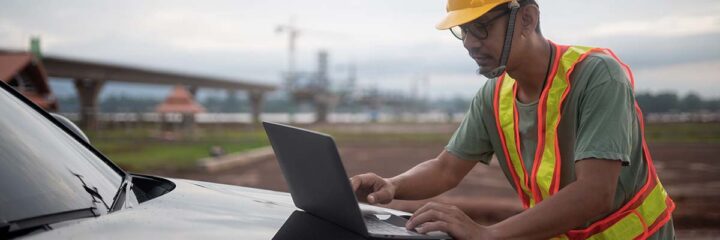
Seeing Your Data Now Is Better Than Hoping It’s Fine Later
Reality capture pilots aren’t just flying drones; they’re collecting mission-critical information that customers rely on to design, build, measure, or analyze something important.
And because of that responsibility, quality control starts in the field.
Taking a moment to visually confirm your deliverables is the simplest, smartest safeguard you have. It’s the difference between assuming your flight plan worked… and knowing your data will support a flawless deliverable.
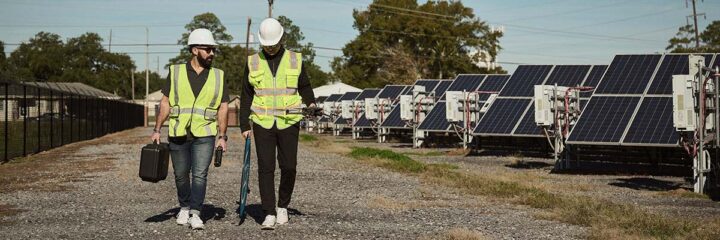
The Pilot’s Golden Rule: Look Before You Leave
Before you leave the site, make it a non-negotiable step:
- Check your imagery
- Confirm your coverage
- Review for blur or distortion
- Ensure your flight lines are clean
- Verify the camera triggered consistently
Those few minutes of inspection are an investment—one that saves hours, protects your reputation, and guarantees your data stands up to the highest standards.
Because in this industry, seeing truly is believing, and believing is what builds trust, accuracy, and excellence.